Showing posts with label study. Show all posts
Showing posts with label study. Show all posts
Wednesday, December 14, 2016
Diabetes Drug Victoza May Help the Heart Study MedlinePlus
Diabetes Drug Victoza May Help the Heart Study MedlinePlus
Diabetes Drug Victoza May Help the Heart: Study: MedlinePlus


Diabetes Drug Victoza May Help the Heart: Study
Daily, injected medication shows encouraging results in international trial


Tuesday, June 14, 2016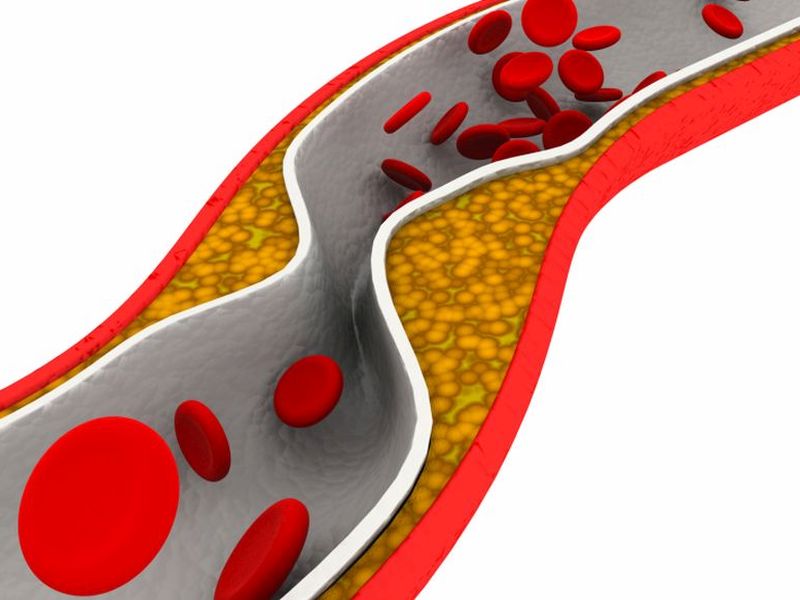
TUESDAY, June 14, 2016 (HealthDay News) -- The blood sugar-lowering drug Victoza (liraglutide) cuts the risk of heart attack and stroke in type 2 diabetes patients, a new study finds.
Heart disease is the leading cause of death among people with type 2 diabetes, the researchers noted.
The study was funded by the drugs maker, Novo Nordisk, and the U.S. National Institutes of Health. It included more than 9,300 adults from 32 countries who have type 2 diabetes and a high risk of heart disease.
About half took Victoza, while the other half took an inactive placebo. Both groups also took other medications for health problems, such as high blood pressure and high cholesterol, the study authors said.
Tracking patients for three years, the researchers found that compared with patients in the placebo group, people who took Victoza had a 13 percent lower risk of heart attack or stroke. They also had a 22 percent lower risk of death from heart disease; a 15 percent lower risk of death from any cause; and a 22 percent lower risk of new evidence of advanced kidney disease.
Some patients did discontinue the drug due to "gastrointestinal events," according to the report.
The study was presented June 13 at the American Diabetes Associations annual meeting, in New Orleans. It was also published simultaneously in the New England Journal of Medicine.
"Ive been excited about liraglutide for a long time because I think its unique," said study senior author Dr. John Buse. He directs the Diabetes Care Center at the University of North Carolina, Chapel Hill.
"This is the first diabetes drug that has shown across-the-board benefits for cardiovascular diseases, and this suggests it plays a role in treating atherosclerosis [hardening of the arteries], which is what leads to heart attacks and strokes," Buse said in a university news release.
One diabetes expert called the study "encouraging."
Victoza "is a relatively new medication, given by daily injection," said Dr. Allison Reiss, who runs the inflammation laboratory at Winthrop-University Hospital in Mineola, N.Y.
Still, the long-term effectiveness of the drug is unknown, Reiss added. "It will be important to follow these patients over the next few years to see whether [Victoza] benefits continue and to investigate how it is working," she said.
The researchers explained that Victoza is from a newer class of diabetes drugs known as GLP-1 agonists. These medications work in the pancreas to cut the production of an anti-insulin hormone called glucagon. The drugs boost insulin production and help control blood sugar levels.
As a secondary mechanism, Victoza also works on the brain to help lower appetite and boost feelings of "fullness" when eating, Buses team explained.
Reiss noted that because of this activity, Victoza can help spur weight loss -- and that might be the prime factor driving the improvements in heart health.
Dr. Gerald Bernstein coordinates the Friedman Diabetes Program at Lenox Hill Hospital in New York City. He said that Victoza -- and other drugs in its class -- are being increasingly used, so "decreased cardiovascular risk is an important finding."
Type 2 diabetes affects more than 29 million Americans, according to the U.S. Centers for Disease Control and Prevention.
SOURCES: Allison Reiss, M.D., head of inflammation laboratory, Winthrop-University Hospital, Mineola, N.Y.; Gerald Bernstein, M.D., program coordinator, Friedman Diabetes Program, Lenox Hill Hospital, New York City; University of North Carolina, news release, June 13, 2016
HealthDay
Copyright (c) 2016 HealthDay. All rights reserved.
News stories are provided by HealthDay and do not reflect the views of MedlinePlus, the National Library of Medicine, the National Institutes of Health, the U.S. Department of Health and Human Services, or federal policy.
- More Health News on:
- Diabetes Medicines
- Heart Attack
- Stroke
download now

Tuesday, November 29, 2016
Maple Syrup Is A Cancer Killer Study Suggests
Maple Syrup Is A Cancer Killer Study Suggests
Posted on: Tuesday, May 10th 2016 at 12:00 pm
Written By: Sayer Ji, Founder
This article is copyrighted by GreenMedInfo LLC, 2016
Visit our Re-post guidelines
New research suggests that maple syrup, despite being a concentrated source of "sugar," possesses significant anti-cancer properties.
A provocative study published recently in the journal Oncology Reports reveals that a commonly used sweetener, maple syrup, inhibits the growth and invasion of human colorectal cancer cells.
This finding may strike some readers as surprising considering just how much research now exists implicating processed sugars like fructose in a wide range of chronic diseases. For instance, take a look at the toxicological data on fructoses role in over 80 adverse health effects on our Fructose research page.
This study is all the more interesting considering a recent experiment demonstrated, for what looks like the first time, that sugar is capable of not just feeding cancer but inducing it, i.e. it possesses oncogenic properties.
Obviously, the glaring disparity observed here is due to the fact that not all “sugar” is alike. The difference, for instance, between glucose, fructose, and sucrose is highly significant, on both a chemical and metabolic level. Also, food is a source of information that has gene-modulatory and regulatory functions. This means that one can not reduce the informational/qualitative aspects of any food down to its nutritional composition which is primarily understood in terms of strictly quantitative macronutrient and micronutrient profiles.
When you add in this all important nutritional context, particularly the role that food plays as both a delivery system and a source for a set of co-factors for appropriate metabolism and utilization, a “sugar” will behave far differently than when it is consumed in isolation, especially when consumed in the biologically inappropriate quantities characteristic of the modern Western diet. Another example is honey, which is also high in sucrose but does not act like regular purified “sugar” either. In fact, not only does honey not appear to act as a "fuel" for aerobic glycolysis (the preferred metabolic mode of cancer cells) as does purified fructose, but I recently reported on its potential as an anti-cancer agent, and with applications perhaps especially relevant to breast cancer.
And so, this new study reveals that maple syrup, which has a wide range of physiochemically and informationally active components beyond sucrose alone, should no longer be classified crudely as a sugar, but as a whole food and potential phytomedicine with a complex composition still in need of more in depth exploratory research and analysis.
Maple Syrups Potential Anti-Cancer Properties
The new study, titled “Inhibitory effect of maple syrup on the cell growth and invasion of human colorectal cancer cells,” was performed by Japanese researchers who examined the effects of three types of maple syrup, classified by color, on colorectal cell (CRC) proliferation, migration and invasion. Their goal was to assess the suitability of maple syrup as a potential phytomedicine for cancer prevention and treatment. Their results were summarized as follows:
“CRC cells that were administered maple syrup showed significantly lower growth rates than cells that were administered sucrose. In addition, administration of maple syrup to CRC cells caused inhibition of cell invasion, while there was no effect on cell migration. Administration of maple syrup clearly inhibited AKT phosphorylation [a pro-cancer cellular signal transduction pathway], while there was no effect on ERK phosphorylation.”
These results lead them to conclude:
[M]aple syrup, which is a natural sweetener used throughout the world, inhibits CRC cell growth and invasion through suppression of the AKT signaling pathway. These findings suggest that maple syrup, particularly dark colored ones, might be suitable as phytomedicines, which have fewer adverse effects than traditional chemotherapy for CRC treatment.”
Conventional approaches to colorectal cancer treatment now rely heavily on highly toxic drugs, such as fluoropyrimidines plus either oxaliplatin or irinotecan, which is considered the standard of care for advanced CRC. These agents can actually increase chemoresistant subpopulation of cancer cells, including the cancer stem cells, which are at the heart of cancer malignancy. They also have a broad range of debilitating, even lethal side effects which are arguably a greater overall mortality risk than the cancer itself.
Maple syrup, on the other hand, is a food with zero known toxicity (consumed in reasonable quantities). The paper commented on its composition as a complex food with a wide range of nutritional and phytomedicinal components and a few of its therapeutic effects:
Maple syrup is a natural sweetener consumed by men and women of all ages throughout the world. Maple syrup contains not only abundant amounts of sucrose and glucose, but also various other components such as oligosaccharides, organic acids, amino acids, vitamins, and minerals including manganese and zinc (8–12). Moreover, recent studies have shown that maple syrup contains various phenolic compounds such as lignans and coumarin (13,14), quebecol (15), and ginnalin (16,17). These phenolic compounds in maple syrup may possess various types of activity. An in vitro study of a butanol extract from maple syrup demonstrated inhibitory activity toward ?-glucosidase (18). Ethyl acetate extracts of maple syrup showed antioxidant activity and anti-proliferative effects against cancer cell lines (19). Ginnalin-A inhibited the cell growth of colon cancer cell lines (16). In addition, an effect of maple syrup has also been reported. The increase in plasma glucose was found to be lower after the oral administration of maple syrup than after the administration of sucrose in the Otsuka Long-Evans Tokushima fatty rat, a model of type II diabetes mellitus (20).”
Incidentally, the study found that the maple syrup samples that were the darkest were most effective at inhibiting cancer cell proliferation. They describe the Canadian standards for the different grades of maple syrup as follows:
Although maple syrup is made from boiling down sap, its color, aroma and taste change due to differences in the growth conditions and season when the sap is collected. Thus, based on Canadian standards, maple syrup is classified into five grades as follows: AA (extra light), grade A (light), grade B (medium), grade C (amber), and grade D (dark) (19). The syrup typically becomes darker in color as the season progresses, and antioxidant activity is proportional to the darkening color of the maple syrup (19).”
Note above that they found the "lower" the grade the more potent an antioxidant and potential therapeutic agent.
Surprisingly, the study found that sucrose, the main component of maple syrup, inhibited colorectal cancer cell growth at a 10% concentration. They determined this by testing a sucrose concentration range between 0.1–10%, finding only that the 10% concentration had cancer inhibitory properties. This finding goes against a common viewpoint that “sugar” is unilaterally a cancer-promoting substance. Ironically, the higher concentration was inhibitory, which the authors surmised has to do with its effect on osmotic pressure in exposed cells. The researchers therefore used a 1% sucrose concentration in both the control and maple syrup groups because it did not show cytoxic/cancer-inhibiting properties at that range, to eliminate the confounding variable of sucroses own potential anti-cancer physical properties.
Another important observation is that the maple syrup had no effect on the proliferation of normal colonic epithelial cells. This property of selective cytoxicity, and which is absent in conventional chemotherapy and radiotherapy interventions, is an extremely important difference when it comes to the superior safety profile of natural, food-based interventions versus conventional ones.
In order to grasp just how much amazing research now exists validating the role of foods, plants, and natural therapeutic modalities in colorectal cancer prevention and treatment, you can use the GreenMedInfo.com colon cancer research page as a resource. For those interested in a more meta-perspective, read you can read the following articles:
- 20 Foods To Cut Colon Cancer Risk
- Food NOT Chemo Holds Cure For Colon Cancerhttp://www.greenmedinfo.com/blog/maple-syrup-cancer-killer-study-suggests?page=1
download now
Sunday, November 27, 2016
Impotence Drugs Wont Raise Melanoma Risk Study Suggests MedlinePlus
Impotence Drugs Wont Raise Melanoma Risk Study Suggests MedlinePlus
Impotence Drugs Wont Raise Melanoma Risk, Study Suggests: MedlinePlus
Impotence Drugs Wont Raise Melanoma Risk, Study Suggests
Researchers say skin cancer in these patients is likely due to more sun exposure Tuesday, June 14, 2016
TUESDAY, June 14, 2016 (HealthDay News) -- Three widely used erectile dysfunction drugs -- Cialis, Levitra and Viagra -- arent likely to boost the risk of melanoma skin cancer, a new study reports.
Why the concern in the first place? Laboratory tests suggested that lower levels of an enzyme thats inhibited by certain erectile dysfunction drugs might increase the growth of melanoma cells. Melanoma is the most deadly type of skin cancer.
But studies examining melanoma risk among men who take these drugs have had conflicting results, the researchers said.
The new study included more than 145,000 men who used either Viagra (sildenafil), Cialis (tadalafil) or Levitra (vardenafil). These impotence drugs inhibit an enzyme called phosphodiesterase type 5 (PDE5). The investigators compared the men taking the drugs to nearly 561,000 men who didnt use them.
Although the study couldnt prove no cause-and-effect link between the drugs and skin cancer, the researchers found only a slightly increased risk of melanoma in men who took the drugs compared to those who didnt.
The study authors suspect there may be other factors behind the reported increases in some cases. In particular, they suggested that sun exposure may play a big role.
The study was published online June 14 in the journal PLoS Medicine.
"All of our observations pointed towards the small apparent increase in risk of melanoma in men prescribed PDE5 inhibitors being explained by greater sun exposure, rather than a side effect of the drugs themselves," senior author Krishnan Bhaskaran, of the London School of Hygiene & Tropical Medicine in England, said in a journal news release.
SOURCE: PLoS Medicine, news release, June 14, 2016
HealthDay
Copyright (c) 2016 HealthDay. All rights reserved.
News stories are provided by HealthDay and do not reflect the views of MedlinePlus, the National Library of Medicine, the National Institutes of Health, the U.S. Department of Health and Human Services, or federal policy.
- More Health News on:
- Melanoma
- Mens Health
download now
Wednesday, November 2, 2016
Study reveals central role of endocannabinoids in habit formation National Institutes of Health NIH
Study reveals central role of endocannabinoids in habit formation National Institutes of Health NIH
Study reveals central role of endocannabinoids in habit formation | National Institutes of Health (NIH)

Institute/Center
National Institute on Alcohol Abuse and Alcoholism (NIAAA)
Contact
NIAAA Press Office
301-443-3860
Study reveals central role of endocannabinoids in habit formation
Mouse study advances knowledge of habitual behavior pathophysiology.
Daily activities involve frequent transitions between habitual behaviors, such as driving home, and goal-directed behaviors, such as driving to a new destination on unfamiliar roads. An inability to shift between habitual and non-habitual behaviors has been implicated in obsessive-compulsive disorder (OCD), addiction, and other disorders characterized by impaired decision-making. In a new study conducted with mice, scientists report that endocannabinoids, natural messengers in the body that are chemically similar to the active compound in marijuana, play an important role in how the brain controls this fundamental process. The National Institute on Alcohol Abuse and Alcoholism (NIAAA), part of the National Institutes of Health, funded the study.
“The new findings point to a previously unknown mechanism in the brain that regulates the transition between goal-directed and habitual behaviors,” said George F. Koob, Ph.D., NIAAA director. “As we learn more about this mechanism, it could reveal how the brain forms habits and, more specifically, how both endocannabinoids and cannabinoid abuse can influence habitual behavior pathophysiology.” A report of the findings is now online in the journal Neuron.
Previous work in NIAAA’s Laboratory for Integrative Neuroscience suggested that reduced activity in the brain’s orbitofrontal cortex (OFC) underlies habit formation. Endocannabinoids are known to generally reduce the activity of neurons. In the current study, the authors, hypothesized that endocannabinoids in the OFC could be playing a key role in habit formation. The researchers used a newly developed procedure that allowed them to probe the brain mechanisms involved when a mouse shifts from goal-directed to habitual actions. By chemically inhibiting the activity of neurons in the OFC, they disrupted goal-directed behaviors and the mice relied on habitual actions instead. David Lovinger, Ph.D., chief of the NIAAA Laboratory for Integrative Neuroscience, Rui Costa, Ph.D., D.V.M., from the Champalimaud Centre for the Unknown in Lisbon, Portugal, and first author Christina Gremel, Ph.D. from NIAAA and the University of California, San Diego led the research team.
“Mice were trained to receive a food reward in two different ways,” said Dr. Lovinger. “One way required the animal to respond out of habit, while the second way demanded it to perform behaviors that were goal-directed.”
When Dr. Lovinger and his colleagues selectively deleted a particular endocannabinoid receptor, called cannabinoid type 1 (CB1), from OFC neurons, they found that mice that lacked these receptors did not form habits, but used goal-directed responses to receive the food reward. Animals with intact CB1 receptors preferentially used habitual responses to obtain the food reward. The authors say the new study points to a molecular mechanism through which endocannabinoids promote the formation of habits by reducing the flow of information in the OFC.
“Endocannabinoids appear to act as a brake in the OFC, allowing for habit formation,” said Dr. Gremel, an assistant professor of psychology and affiliated with the Neurosciences Graduate program at UCSD. "Our results suggest that alterations in the brain’s endocannabinoid system could be blocking the brain’s capacity to ‘break habits’ as observed in disorders that affect switching between goal-directed and habitual behaviors.”
The authors concluded that their findings demonstrate the existence of parallel brain circuits that mediate goal-directed and habitual behaviors. Drugs of abuse and neuropsychiatric disorders can affect decision-making by changing the balance between habitual and goal-directed actions. In particular, these mechanisms could help explain how cannabis drugs such as marijuana affect memory and decision-making. The new findings suggest that strategies that target the brain’s endocannabinoid system might restore this balance and alleviate suffering in disorders involving these processes.
The National Institute on Alcohol Abuse and Alcoholism, part of the National Institutes of Health, is the primary U.S. agency for conducting and supporting research on the causes, consequences, prevention, and treatment of alcohol abuse, alcoholism, and alcohol problems. NIAAA also disseminates research findings to general, professional, and academic audiences. Additional alcohol research information and publications are available at: http://www.niaaa.nih.gov.
About the National Institutes of Health (NIH): NIH, the nations medical research agency, includes 27 Institutes and Centers and is a component of the U.S. Department of Health and Human Services. NIH is the primary federal agency conducting and supporting basic, clinical, and translational medical research, and is investigating the causes, treatments, and cures for both common and rare diseases. For more information about NIH and its programs, visit www.nih.gov.
NIH…Turning Discovery Into Health®
download now
Sunday, October 30, 2016
Stem Cell Transplant Can Help HIV Patients Battling Lymphoma Study MedlinePlus
Stem Cell Transplant Can Help HIV Patients Battling Lymphoma Study MedlinePlus
Stem Cell Transplant Can Help HIV Patients Battling Lymphoma: Study: MedlinePlus
Stem Cell Transplant Can Help HIV Patients Battling Lymphoma: Study
Outcomes after the therapy similar to those for patients who dont carry the virus Wednesday, June 15, 2016
WEDNESDAY, June 15, 2016 (HealthDay News) -- People living with HIV are at high risk for lymphoma, and a new study concludes that stem cell transplant should be standard treatment in these cases.
The transplants should be "autologous" -- meaning the cells come from the patients themselves, the researchers said.
The new findings could challenge the widely held belief that HIV-positive patients are not candidates for this therapy.
Instead, the study found that "overall survival for patients with HIV infection after transplant is comparable to that seen in people who were not HIV-infected," said study lead author Dr. Joseph Alvarnas.
As his team explained, people with HIV are at increased risk for cancer, even if their infection is well-controlled with antiretroviral drugs. In fact, cancer is now a leading cause of death among HIV patients.
The risk of non-Hodgkin lymphoma, specifically in HIV-positive people, is up to 25 times higher than for people without HIV, Alvarnas team noted.
In an autologous stem cell transplant, healthy cells are removed from the patients own blood or bone marrow and administered to the patient to help recovery after high-dose chemotherapy.
Its already standard treatment for patients with relapsed and treatment-resistant Hodgkin and non-Hodgkin lymphoma, the researchers pointed out. However, the therapys use in HIV patients with these illnesses has been largely restricted to centers with HIV expertise.
Elsewhere, doctors have been reluctant to treat HIV patients with stem cell transplant, Alvarnas team explained. There have been concerns that these patients immune systems might not recover after intensive chemotherapy or that the procedure would cause toxicity or infections.
But is that necessarily so? To find out, the new study included 40 patients with HIV and lymphoma and 151 lymphoma patients without HIV. Patients in both groups received autologous stem cell transplants.
Overall survival among the patients with HIV was 87.3 percent after one year and 82 percent after two years, the study found. Thats barely different from the 87.7 percent one-year survival of patients without HIV, the researchers said.
The rate of transplant-related death -- from causes such as recurrence/persistence of the lymphoma, fungal infection or cardiac arrest -- among HIV patients was 5.2 percent. Again, that rate was comparable to patients without the virus, Alvarnas team said.
And one year after transplant, 82 percent of patients with HIV still maintained healthy, undetectable levels of HIV, according to the study published online June 13 in the journal Blood.
"These findings are remarkably important for a group of patients who, up until now, have been inconsistently treated," said Alvarnas, an associate clinical professor of hematology at City of Hope National Medical Center, in Duarte, Calif.
He believes that stem cell therapy can be of real value to lymphoma patients, including those with HIV.
"Transplantation allows clinicians to treat the cancer most effectively by using more intense doses of chemotherapy than can typically be given, while avoiding fears of wiping out the bone marrow," Alvarnas explained in a journal news release.
"Based on our data, autologous stem cell transplant should be considered the standard of care for patients with HIV-related lymphomas for the same indications and under the same circumstances that we would use it in patients without HIV infection," he said.
SOURCE: Blood, news release, June 13, 2016
HealthDay
Copyright (c) 2016 HealthDay. All rights reserved.
News stories are provided by HealthDay and do not reflect the views of MedlinePlus, the National Library of Medicine, the National Institutes of Health, the U.S. Department of Health and Human Services, or federal policy.
- More Health News on:
- HIV/AIDS
- Stem Cells
download now
Wednesday, October 26, 2016
Just 6 Percent of Chest Pain Cases in ER Are Life Threatening Study MedlinePlus
Just 6 Percent of Chest Pain Cases in ER Are Life Threatening Study MedlinePlus
Just 6 Percent of Chest Pain Cases in ER Are Life-Threatening: Study: MedlinePlus
Just 6 Percent of Chest Pain Cases in ER Are Life-Threatening: Study
Muscle strains, anxiety, gastrointestinal issues often to blame, doctor says Wednesday, June 15, 2016
WEDNESDAY, June 15, 2016 (HealthDay News) -- Americans who develop chest pain often rush to the hospital, where theyre treated with urgency. A new study suggests, however, that less than 6 percent of these patients suffer from life-threatening conditions such as a heart attack.
Most often, physicians cant determine the cause of patients chest pain, the researchers found.
But chest pain can be a sign of serious illness, cautioned study lead author Dr. Renee Hsia, an emergency room physician and director of Health Policy Studies at the University of California, San Francisco.
"This doesnt mean that patients shouldnt be worried when they experience chest pain," she said. "Depending on their risk factors, they certainly could be having a heart attack or another life-threatening condition, which is why it is important to seek timely medical care.
"In the right patient population with risk factors, we should certainly proceed with appropriate testing to exclude the possibility of life-threatening conditions," she added.
In the United States, chest pain accounts for more than 8 million emergency room visits a year. Only abdominal pain brings in more patients, Hsia said.
"Chest pain is very worrisome because it can be a harbinger of serious illness, such as a heart attack or aortic dissection [tear in the aorta], for example," she said. As a result, patients with chest pain often get treated before others because their condition is considered more urgent, she said.
For the new study, researchers analyzed a database that includes details from a sampling of U.S. emergency room visits. They focused on nearly 11,000 patient records from 2005 to 2011 for chest pain not due to trauma, such as a car accident.
Only 5.5 percent of patients were diagnosed with six conditions thought to be life-threatening: blocked blood vessels due to heart attack or a similar condition; tear in the aorta; lung embolisms; lung collapses; esophageal ruptures; and perforated peptic ulcers.
Heart attack-type events accounted for nearly all of those life-threatening diagnoses. The likelihood of the other conditions is rare, the researchers found.
Overall, 57 percent of the patients were discharged. Fifty-one patients (0.4 percent) died in the hospital or emergency room.
According to the study, the most common diagnosis for chest pain is "nonspecific chest pain," which means a cause couldnt be determined. This occurred in more than five out of 10 patients examined for chest pain.
In those "non-specific" cases, whats going on?
Muscle strains, anxiety and gastrointestinal issues may explain many of the symptoms, said Dr. Michael Weinstock. He is chairman of the emergency department and director of medical education at Mount Carmel St. Anns Hospital, in Westerville, Ohio.
Weinstocks own research has reached similar conclusions. Still, "everybody knows somebody who dropped dead of a massive heart attack," he said, and chest pain can be a sign. "Thats what scares patients and doctors so much. Nobody wants to send someone home who may be having a heart attack."
Weinstock said patients who experience chest pain shouldnt do anything differently as a result of this new study: They should call their primary doctor or 911.
Chest pain is especially urgent for women, the elderly and diabetics, he said, and when it comes with symptoms such as dizziness, passing out or shortness of breath.
The study was published June 13 in JAMA Internal Medicine.
SOURCES: Renee Hsia, M.D., MSc, professor and director, Health Policy Studies, Department of Emergency Medicine, University of California, San Francisco, and attending physician, San Francisco General Hospital and Trauma Center; Michael Weinstock, M.D., chairman, Emergency Department, and director, medical education, Mount Carmel St. Anns Hospital, Westerville, Ohio. June 13, 2016,JAMA Internal Medicine
HealthDay
Copyright (c) 2016 HealthDay. All rights reserved.
News stories are provided by HealthDay and do not reflect the views of MedlinePlus, the National Library of Medicine, the National Institutes of Health, the U.S. Department of Health and Human Services, or federal policy.
- More Health News on:
- Emergency Medical Services
download now
Friday, September 23, 2016
Thursday, September 8, 2016
Neonicotinoids really are killing honeybees EPA study admits
Neonicotinoids really are killing honeybees EPA study admits
Neonicotinoids really are killing honeybees, EPA study admits
By: Chris Draper
Date: May 18, 2016
in: Environment, Environment, Pesticides
The Environmental Protection Agency (EPA) recently admitted that neonicotinoids – a class of insecticides – can harm honeybees when used on cotton and citrus, according to an environmental risk assessment study.
It’s no secret that bees are essential to the food supply. They are responsible for 80 percent of pollination, which is necessary for plant reproduction. The bulk of agriculture – and in turn, plant food – is dependent upon the flourishing of bees.(1)

The study is the first scientific risk assessment to analyze the impact a class of pesticides, known as neonicotinoids, can have on bees in the long-term. The EPA previously found that the chemical didn’t harm bees, but in other instances, found it posed a significant threat.
Neonicotinoids are an existential threat to the bee population
Some groups have called for a ban on neonicotinoids because of the impact they have on the bee population. Europe at one point banned neonicotinoids all together, but later lifted the ban.
It’s not just neonicotinoids that pose an existential threat to the bee population. Other factors include a lack of food, parasites, maladies and the various ways pesticides and fungicides interact, according to bee expert May Berenbaum at the University of Illinois.
“Anything to reduce stress on bees is helpful,” University of Maryland entomologist Dennis vanEngelsdorp, told sources. “I am not convinced that neonics are a major driver of colony loss.”(1)
The risk report published Wednesday is the first of four analyzing this class of chemicals. The study was conducted by the EPA and California’s environmental agency.(1)
The EPA’s analysis found that a certain level of concentration of the pesticide imidacloprid is a tipping point for beehives. If bees bring nectar back to the hive that has more than 25 parts per billion of the chemical, then it will lead to fewer bees and less production, according to Jim Jones, EPA’s assistant administrator for chemical safety and pollution prevention.(1)
On the other hand, if the nectar had concentrations of the chemical below 25 parts per billion, then it will have little, if any, ill side-effects on the beehive. There was a sharp line between danger and no danger, Jones claims.(1)
Concentration levels are contingent upon the crop, he added. Nectar of cotton and citrus fruits were above dangerous concentrations, but levels were not dangerous corn, and most vegetables, berries and tobacco. Other crops consisting of legumes, melons, tree nuts and herbs were inconclusive and required additional testing.
Study fails to consider impact insecticides have on wild bees
The study used commercial honeybees because they are an excellent surrogate for all pollinators, Jones said. Nevertheless, Lori Ann Burd, environmental health director of the advocacy group Center for Biological Diversity, criticized the agency for not including wild bees, such as bumblebees, which are much more sensitive to pesticides. As a result, Burd deemed the study “weak.”(1)
In response, Jones said the risk assessment was a scientific report rather than a regulation. The EPA will not decide how to act appropriately until public comments are made and the report is finalized.
Imidacloprid-maker Bayer Crop Sciences claims the EPA “appears to overestimate the potential for harmful exposures in certain crops” while ignoring the benefits. For some reason, the agency thinks the benefits of neonicotinoids outweigh the risk of killing the entire bee population.(1)
The EPA considered banning the use of multiple pesticides, which harm bees when crops are flowering and bees are acting as commercial pollinator. The federal government is also attempting to increase wild flower planting to give bees additional food.
Sources include:
(1) PestWeb.com
Begin MailChimp Signup Form
download now
Subscribe to:
Posts (Atom)