Showing posts with label percent. Show all posts
Showing posts with label percent. Show all posts
Wednesday, October 26, 2016
Just 6 Percent of Chest Pain Cases in ER Are Life Threatening Study MedlinePlus
Just 6 Percent of Chest Pain Cases in ER Are Life Threatening Study MedlinePlus
Just 6 Percent of Chest Pain Cases in ER Are Life-Threatening: Study: MedlinePlus


Just 6 Percent of Chest Pain Cases in ER Are Life-Threatening: Study
Muscle strains, anxiety, gastrointestinal issues often to blame, doctor says


Wednesday, June 15, 2016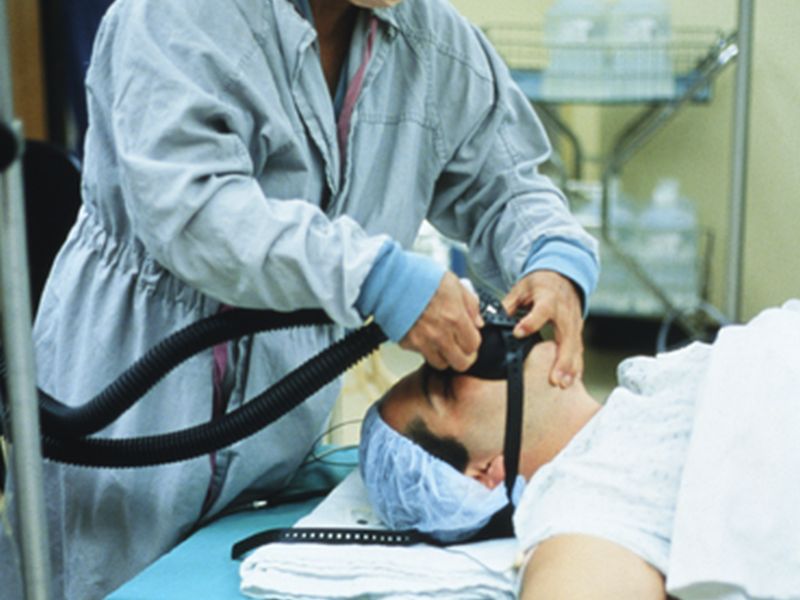
WEDNESDAY, June 15, 2016 (HealthDay News) -- Americans who develop chest pain often rush to the hospital, where theyre treated with urgency. A new study suggests, however, that less than 6 percent of these patients suffer from life-threatening conditions such as a heart attack.
Most often, physicians cant determine the cause of patients chest pain, the researchers found.
But chest pain can be a sign of serious illness, cautioned study lead author Dr. Renee Hsia, an emergency room physician and director of Health Policy Studies at the University of California, San Francisco.
"This doesnt mean that patients shouldnt be worried when they experience chest pain," she said. "Depending on their risk factors, they certainly could be having a heart attack or another life-threatening condition, which is why it is important to seek timely medical care.
"In the right patient population with risk factors, we should certainly proceed with appropriate testing to exclude the possibility of life-threatening conditions," she added.
In the United States, chest pain accounts for more than 8 million emergency room visits a year. Only abdominal pain brings in more patients, Hsia said.
"Chest pain is very worrisome because it can be a harbinger of serious illness, such as a heart attack or aortic dissection [tear in the aorta], for example," she said. As a result, patients with chest pain often get treated before others because their condition is considered more urgent, she said.
For the new study, researchers analyzed a database that includes details from a sampling of U.S. emergency room visits. They focused on nearly 11,000 patient records from 2005 to 2011 for chest pain not due to trauma, such as a car accident.
Only 5.5 percent of patients were diagnosed with six conditions thought to be life-threatening: blocked blood vessels due to heart attack or a similar condition; tear in the aorta; lung embolisms; lung collapses; esophageal ruptures; and perforated peptic ulcers.
Heart attack-type events accounted for nearly all of those life-threatening diagnoses. The likelihood of the other conditions is rare, the researchers found.
Overall, 57 percent of the patients were discharged. Fifty-one patients (0.4 percent) died in the hospital or emergency room.
According to the study, the most common diagnosis for chest pain is "nonspecific chest pain," which means a cause couldnt be determined. This occurred in more than five out of 10 patients examined for chest pain.
In those "non-specific" cases, whats going on?
Muscle strains, anxiety and gastrointestinal issues may explain many of the symptoms, said Dr. Michael Weinstock. He is chairman of the emergency department and director of medical education at Mount Carmel St. Anns Hospital, in Westerville, Ohio.
Weinstocks own research has reached similar conclusions. Still, "everybody knows somebody who dropped dead of a massive heart attack," he said, and chest pain can be a sign. "Thats what scares patients and doctors so much. Nobody wants to send someone home who may be having a heart attack."
Weinstock said patients who experience chest pain shouldnt do anything differently as a result of this new study: They should call their primary doctor or 911.
Chest pain is especially urgent for women, the elderly and diabetics, he said, and when it comes with symptoms such as dizziness, passing out or shortness of breath.
The study was published June 13 in JAMA Internal Medicine.
SOURCES: Renee Hsia, M.D., MSc, professor and director, Health Policy Studies, Department of Emergency Medicine, University of California, San Francisco, and attending physician, San Francisco General Hospital and Trauma Center; Michael Weinstock, M.D., chairman, Emergency Department, and director, medical education, Mount Carmel St. Anns Hospital, Westerville, Ohio. June 13, 2016,JAMA Internal Medicine
HealthDay
Copyright (c) 2016 HealthDay. All rights reserved.
News stories are provided by HealthDay and do not reflect the views of MedlinePlus, the National Library of Medicine, the National Institutes of Health, the U.S. Department of Health and Human Services, or federal policy.
- More Health News on:
- Emergency Medical Services
download now

Thursday, September 29, 2016
Simple way to slash your risk of pancreatic cancer by up to 48 percent
Simple way to slash your risk of pancreatic cancer by up to 48 percent
Simple way to slash your risk of pancreatic cancer by up to 48 percent
Posted by: Dena Schmidt, staff writer in Natural Cancer Treatments June 17, 2016 4 Comments
(NaturalHealth365) Pancreatic cancer is one of the most insidious and deadly forms of cancer. It is estimated that in 2016, 53,070 people will be diagnosed with it. Of these persons, a staggering 41,780 will die from it.
However, new findings have linked the simple act of increasing your intake of B vitamins and choline with a lowered risk of contracting the deadly disease of pancreatic cancer.
Pancreatic cancer very difficult to detect in early stages
Pancreatic cancer is the fourth leading cause of cancer death in both women and men. Most pancreatic cancers are classified as exocrine adenocarcinoma. While survival rates are based upon numerous factors, the one-year survival rate for pancreatic cancer is 29 percent, and the 5-year survival rate is just 7 percent.
Pancreatic cancer is very often quite difficult to diagnose due to the fact that there aren’t any simple, affordable screening tests available at this time for finding it in the early, asymptomatic stages. It usually isn’t detected until it’s too late. Pancreatic cancer detected at early stages that allow for surgical tumor removal has a 5-year survival rate of 27 percent; however, if it has spread to the lymph nodes or surrounding tissues, 5-year survival drops to 11 percent or lower.
Clearly, there is a dire need for a reduction in the risk factors that lead to pancreatic carcinogenesis. Now, there is now exciting news from a University of Pittsburgh study revealing far lower cancer rates in persons who take key supplements.
Editor’s note: Dr. Linda L. Isaacs worked with Nicholas Gonzalez, M.D. for 24 years and continues to help cancer patients with several non-toxic treatment protocols. In fact, for those suffering with pancreatic cancer – Dr. Isaacs has an extensive experience. Contact Dr. Isaacs directly – if you have any questions about her medical practice.
Vitamins B6 and choline linked to reduced risk of pancreatic cancer
University of Pittsburgh researchers have found a link between the vitamins B6 and choline and a lowered risk of pancreatic cancer. The findings can be found in the publication Cancer Epidemiology, Biomarkers and Prevention.
The researchers looked at data from the Singapore Chinese Health database from 1993 to 1998 related to 63,257 subjects. Dietary questionnaire responses related to the intake of specific nutrients were scrutinized, including vitamin B6 and choline. With an average of more than 16 years of follow-up data, the study zeroed in on 271 persons with pancreatic cancer.
Among those patients who took the most consistent and substantial amounts of vitamin B6, a 48 percent lowered risk of pancreatic cancer was demonstrated. Persons who took the highest amounts of choline had a 33 percent reduced risk of pancreatic cancer.
Choline and B vitamins support optimal metabolism and cellular protection
It’s believed that vitamin B6 provides a supportive factor for key enzymes that are involved in methylation pathways and DNA synthesis. Vitamin B6 also seems to help protect DNA from oxidative damage. Choline is characterized as a methyl donor, which could assist in cellular protection against cancer.
Other benefits of B vitamins include a healthier metabolism, better blood and hormone health, and reduced risk of stroke. Choline is linked with liver functioning, brain health, muscle and nerve functioning, and a better metabolism. Are you getting enough choline and B vitamins in your diet?
References:
http://cancerres.aacrjournals.org/content/75/15_Supplement/1882
http://www.cancer.org/cancer/pancreaticcancer/detailedguide/pancreatic-cancer-key-statistics
http://www.cancer.net/cancer-types/pancreatic-cancer/statistics
http://www.lifeextension.com/Magazine/2016/6/In-The-News/Page-01
download now
Monday, September 19, 2016
Nearly 30 Percent of U S Bees Wiped Out this Winter
Nearly 30 Percent of U S Bees Wiped Out this Winter
Nearly 30 Percent of U.S. Bees Wiped Out This Winter
May 24, 2016 | 14,851 views
By Dr. Mercola
U.S. bees are in trouble, and, if the latest figures are any indication, the problem is getting worse instead of better.
The preliminary results on bee colony losses from 2015 to 2016 were released by The Bee Informed Partnership in collaboration with the Apiary Inspectors of America (AIA) and the U.S. Department of Agriculture (USDA).1
The survey included responses from nearly 6,000 U.S. beekeepers managing about 15 percent of the estimated 2.66 million managed honey-producing colonies in the U.S.
Over the 2015 to 2016 winter, more than 28 percent of the bee colonies were lost — an increase of nearly 6 percent compared to the previous winter.
Further, more than half of the beekeepers reported winter colony loss rates that were greater than the average "acceptable" winter mortality rate, which is just under 17 percent.
Bee Losses Occur Year-Round, Not Just During the Winter
In addition to what were described as "unsustainable" bee colony losses during the winter were losses that occurred during the spring and summer months. It was long assumed that such losses only occurred during the winter, such that — up until six years ago — no one even kept track of annual losses.
Now, however, its apparent that bee colonies arent only at risk during the winter and losses are occurring year-round. The featured survey revealed beekeepers lost 44 percent of their colonies from April 2015 to March 2016, which is the highest annual loss on record.2
Dennis VanEngelsdorp, Ph.D., a University of Maryland bee scientist and survey leader, told The Guardian:3
"Its very troubling and what really concerns me that we are losing colonies in summer too, when bees should be doing so well … This suggests there is something more going on — bees may be the canary in the coalmine of bigger environmental problems.
One in 3 bites of food we eat is directly or indirectly pollinated by bees. If we want to produce apples, cucumbers, almonds, blueberries and lots of other types of food, we need a functioning pollination system."
Beekeepers Resort to Mail-Order Queen Bees to Save Their Colonies
There is only one queen bee per hive, and her job is, in part, to lay lots of eggs to keep the colony thriving. Without a queen bee, the colony cannot survive, and there are now queen bee producers in the U.S. that sell queen bees to beekeepers trying to save their queenless hives.
Its a sign of just how desperate the beekeeping industry has become. In The Guardian, VanEngelsdorp continued:4
"We are seeing greater cost pressures to pollinate crops. It costs around $200 a year to keep a colony alive and replace a queen. Youre lucky if you make $200 a year through the honey produced, so a lot of operators arent even breaking even. There are a lot who are really hurting."
The USDA considers 18.7 percent to be the benchmark beyond which the bee losses become economically unsustainable. The USDAs internal research agency, the Agricultural Research Service (ARS) reported:5
"If losses continue … it could threaten the economic viability of the bee pollination industry. Honey bees would not disappear entirely, but the cost of honey bee pollination services would rise, and those increased costs would ultimately be passed on to consumers through higher food costs."
Summer Losses Suggest Pesticides Are Involved
There are many theories as to why bees are disappearing. Bayer, Syngenta and other chemical companies have blamed mites as a reason for the bee deaths. However, the summer losses weaken their argument, according to Jeff Pettis, a USDA senior entomologist, as mite infestations are more likely to occur in the winter.6
Instead, pesticide exposure is a likely factor. Neonicotinoids have been increasingly blamed for bee deaths (and were implicated in the 2013 mass bee die-off of 25,000 bumblebees along with millions of bee deaths in Canada).
The majority of soybean, corn, canola, and sunflower seeds planted in the U.S. are coated with neonicotinoid pesticides (neonics). The chemicals, which are produced by Bayer and Syngenta, travel systemically through the plants and kill insects that munch on their roots and leaves.
Neonicotinoids are powerful neurotoxins and are quite effective at killing the pests, but theyre also harmful to non-target pests, namely pollinators such as bees and butterflies.
This occurs because the pesticides are taken up through the plants vascular system as it grows and, as a result, the chemical is expressed in the pollen and nectar of the plant.
An independent review by 29 scientists with the International Union for the Conservation of Nature (which looked at 800 studies) found neonicotinoids are gravely harming bees.7 One of the researchers, Jean-Marc Bonmatin, Ph.D., with the National Centre for Scientific Research, said:8
"The evidence is very clear. We are witnessing a threat to the productivity of our natural and farmed environment equivalent to that posed by organophosphates or DDT … Far from protecting food production, the use of neonicotinoid insecticides is threatening the very infrastructure which enables it."
Loss of Natural Habitat to Plant Monocultures Takes Away Bees Natural Food Sources
Another glaring problem is the fact that vast areas of meadow and grasslands in the U.S. — meccas for pollen-rich plants — have been lost to monoculture. Monoculture is the growing of just one type of crop on a massive scale — a growing method that is contrary to nature.
Not only does this do away with natural food sources for pollinators but at the same time it exposes them to increased risks. Genetically engineered (GE) corn is the epitome of monoculture, and the vast majority of GE corn is treated with neonicotinoids like clothianidin or thiamethoxam.
As reported by Pesticide Action Network (PAN) North America, honeybees in the Midwest "get it from all sides" when the vast expanses of GE corn are planted, as they:9
- "Fly through clothianidin-contaminated planter dust
- Gather clothianidin-laced corn pollen, which will then be fed to emerging larva
- Gather water from acutely toxic, pesticide-laced guttation droplets
- Gather pollen and nectar from nearby fields where forage sources such as dandelions have taken up these persistent chemicals from soil thats been contaminated year on year since clothianidins widespread introduction into corn cultivation in 2003"
Glyphosate May Also Be to Blame
Neonicotinoids are not the only chemicals the bees have to worry about. Glyphosate, the active ingredient in Monsantos Roundup herbicide, may also play a role in bees deaths.
As stated by GMO expert Don Huber, P.h.D.,, professor emeritus of Plant Pathology at Purdue University, there are three established characteristics of colony collapse disorder that suggest glyphosate may be at least partly responsible:
- The bees are mineral-deficient, especially in micronutrients
- Theres plenty of food present but theyre not able to utilize it or to digest it
- Dead bees are devoid of the Lactobacillus and Bifidobacterium, which are components of their digestive system
In many cases of bee die-offs, the bees become disoriented, suggesting endocrine hormone disruption. Glyphosate is a very strong endocrine hormone disruptor. Huber also cited a study on glyphosate in drinking water at levels that are commonly found in U.S. water systems, showing 30 percent mortality in bees exposed to it.
While the majority of glyphosate is sprayed onto agricultural crops, its even used in city parks, which means bees may get little reprieve. In 2014, for instance, New York City agencies applied glyphosate to parks and other areas 2,748 times, and that is likely an underestimate.10
A Freedom of Information Act request found pesticide information related to Central Park and other parks that are managed by non-profit conservancies (and not by the city government) has not been made public. The bottom line is that bees and other pollinators are being exposed to pesticides and other chemicals virtually everywhere they turn.
And in all likelihood, its not one or two chemicals that are the problem but many. In 2013, researchers analyzed pollen from bee hives in seven major crops and found 35 different pesticides along with high fungicide loads.11 Each sample contained, on average, nine different pesticides and fungicides. When the pollen was fed to healthy bees, they had a significant decline in the ability to resist infection with the Nosema ceranae parasite, which has been implicated in bee deaths.
How You Can Help Bees
To avoid harming bees and other helpful pollinators that visit your garden, swap out toxic pesticide and lawn chemicals for organic weed and pest control alternatives. Even some organic formulations can be harmful to beneficial insects, so be sure to vet your products carefully.
Better yet, get rid of your lawn altogether and plant an edible organic garden. Both flower and vegetable gardens provide good honeybee habitats. Its also recommended to keep a small basin of fresh water in your garden or backyard, as bees actually do get thirsty.
In addition, youll want to grow your own pollinator-friendly plants from organic, untreated seeds. If you opt to purchase starter plants, make sure to ask whether or not theyve been pre-treated with pesticides.
Keep in mind that you also help protect the welfare of all pollinators every time you shop organic and grass-fed, as you are actually "voting" for less pesticides and herbicides with every organic and pastured food and consumer product you buy. You can take bee preservation a step further by trying your hand at amateur beekeeping.
Maintaining a hive in your garden requires only about an hour of your time each week, benefits your local ecosystem, and you get to enjoy your own homegrown honey.
Saving Pollinators Must Be a Global Priority
On a larger scale, in order to save bees and other pollinators we need to stop the widespread use of chemicals that harm them, while at the same time returning much of our land to grasslands and building a network of herbivore economics. There is virtually no better way to improve the conditions for animals, protect pollinators, bring more revenue to farmers, and improve human health via nutritious foods from properly pastured animals.
By mimicking the natural behavior of migratory herds of wild grazing animals — meaning allowing livestock to graze freely and moving the herd around in specific patterns — farmers can support natures efforts to regenerate and thrive, while providing natural, pesticide-free foraging area for pollinators and other beneficial insects. The good news is that we dont need to invent yet another chemical or a new piece of farm equipment to solve this problem.
We simply need to revert back to a system that works with nature instead of against it. Finally, if youre wondering why bees are so important, when one Whole Foods store removed all produce from plants dependent on pollinators, it ended up pulling 52 percent of its produce offerings from store shelves. A sampling of the produce that disappeared without bees is below. Imagine a world without it.12
Apples | Onions | Avocados |
Carrots | Mangos | Lemons |
Limes | Honeydews | Cantaloupes |
Zucchinis | Summer squash | Eggplant |
Cucumbers | Celeries | Green onions |
Cauliflower | Leeks | Bok choys |
Kale | Broccolis | Broccoli rabes |
Mustard greens | ||
download now
Sunday, August 14, 2016
Exercise Can Lower Your Risk of a Dozen Cancers by 20 Percent Joseph Mercola
Exercise Can Lower Your Risk of a Dozen Cancers by 20 Percent Joseph Mercola
Exercise Can Lower Your Risk of a Dozen Cancers by 20 Percent
June 03, 2016 | 107,314 views
Google Tag Manager End Google Tag Manager
An error occurred.
Visit the Fitness Video Library
By Dr. Mercola
That exercise is crucial for optimal health is nothing new. But did you know its also a powerful strategy to reduce your risk for cancer? It can also improve your chances of remission and recovery should you develop cancer.
Well over 100 studies have looked at the role of physical activity on cancer prevention1 and they reveal a distinct pattern: the longer you exercise, the more pronounced the benefits.
Studies show that people who exercise during their early years have a lower risk of cancer later in life.
The degree to which exercise cuts your cancer risk varies depending on the type of cancer and other factors, but the data shows physically active individuals have a 20 to 55 percent lower risk of cancer than their sedentary peers. For example, compared to inactive people, active men and/or women have a:
- 20 to 30 percent lower risk of breast cancer2
- 38 percent reduced risk of invasive breast cancers3
- 30 to 40 percent lower risk of colon cancer4
- 44 percent lower risk of bowel cancer after the age of 655
- 55 percent lower risk of lung cancer6
Exercise Lowers Your Risk of at Least a Dozen Different Cancers
Most recently, an analysis of 12 studies that included data from 1.4 million people of a wide range of ethnic backgrounds from both the U.S. and Europe over the course of 11 years found that those who exercised more had, on average, a 7 percent lower risk of developing ANY kind of cancer. As reported by Time Magazine:7
"[T]he reduced risk was especially striking for 13 types of cancers. People who were more active had on average a 20 percent lower risk of cancers of the esophagus, lung, kidney, stomach, endometrium and others compared with people who were less active ...
Everybody knows physical activity reduces heart disease risk, says [lead author Steven] Moore [Ph.D.]. The takeaway here is that physical activity might reduce the risk of cancers as well.
Cancer is a very feared disease, but if people understand that physical activity can influence their risk for cancer, then that might provide yet one more motivating factor to become active."
How Exercise Combats Cancer
So just how does exercise prevent cancer? Research shows there are many pathways and mechanisms at play; a synergistic orchestra of chemical reactions if you will, triggered by physical exertion.
When I first read about the exercise and cancer connection nearly 30 years ago, I was surprised and had no idea what the mechanism was. But heres a sampling of what science has discovered in the last few decades. Exercise decreases your risk of cancer by affecting:
Mitochondrial function | Perhaps most importantly, exercise promotes mitochondrial health. Mitochondrial damage can trigger genetic mutations that can contribute to cancer, so optimizing the health of your mitochondria is a key component of cancer prevention. In fact, mitochondrial dysfunction is at the core of virtually all diseases. Exercise is one of the most potent stimulators of PGC-1alpha which stimulates mitochondrial biogenesis or production of new mitochondria. It does this by lowering mTOR, insulin and leptin levels which also improves mitochdondrial autophagy (mitophagy) which is a key element of controlling malignant growth. I review some of these details in my interview with Travis Christoffersons about his book, "Tripping Over the Truth: The Return of the Metabolic Theory of Cancer." This book is a must-read for anyone interested in preventing or recovering from cancer. |
AMPK, SIRT1, and mTOR | Exercise stimulates AMPK and SIRT1, which secondarily inhibits mTOR, which then stimulates mitochondrial biogenesis and mitophagy, both of which are deadly to cancer. In essence, cancer can be viewed as a metabolic disorder, and the key to prevention and recovery lies in restoring mitochondrial function and increasing mitochondrial numbers. Exercise helps you do both. |
Energy balance, immune function and more | Exercise affects several biological functions that may directly influence your cancer risk, including changes in energy balance, immune function, antioxidant defense, DNA repair, bowel motility and hormone levels.8 |
Blood sugar and insulin | Exercise helps lower your blood sugar level and decrease your insulin resistance, and by creating a low sugar environment you strongly discourage the growth and spread of cancer cells. Sugars ability to promote cancer has been known since the early 1930s, following Dr. Otto Warburgs discovery that malignant tumors exhibit an increase in anaerobic glycolysis — a process whereby glucose is used as a fuel by cancer cells with lactic acid as an anaerobic byproduct. This helps explain why a ketogenic diet appears to be such a potent strategy in the treatment of many cancers. The reason for this is because while all normal cells in your body can use either glucose or ketone bodies from fat as fuel, cancerous cells lack this metabolic flexibility. |
Body weight | It also helps you shed excess fat and maintain a healthy weight (this is particularly true for high-intensity interval training). Excess weight is a significant risk factor, and obesity is responsible for an estimated 500,000 cancer cases worldwide each year.9 The link between obesity and cancer is primarily hormone-driven, as fat cells produce excess estrogen. This also helps explain why exercise during childhood reduces your lifetime cancer risk, and why obese children are at a significantly heightened risk of cancer in their adult years. |
Blood circulation | Physical activity improves circulation, driving more oxygen into your tissues, and circulating immune cells in your blood. By improving blood flow to your liver, it also helps your body detoxify potentially harmful substances, including excess estrogen that may spur estrogen-sensitive cancers. |
Adrenaline-dependent killer cells | Physical activity triggers the release of adrenaline, which in turn helps circulate natural killer (NK) immune cells into tumors in your lung, liver, and skin, where they go to work to kill off and eliminate the cancerous cells. The key that allows adrenaline-dependent NK cells to infiltrate cancer tumors is the immune signaling molecule, IL-6, which is released by muscle tissue during exercise. Without IL-6, the adrenaline cannot produce this anti-cancer effect, because the IL-6 molecules are what guide the immune cells to the tumors.10,11,12,13 |
T cells | Exercise alters T cells to a more effective disease-fighting form, called "naïve" T cells, which boosts the ability of your immune system to fight emerging and existing cancer cells. This helps explain why exercise is beneficial both for cancer prevention and treatment.14 |
Non-alcoholic fatty liver disease | Regular exercise has also been shown to reduce your risk of non-alcoholic fatty liver disease, brought on by an unhealthy diet, thereby cutting your risk of hepatocellular carcinoma (HCC) — a cancer that originates in your liver cells.15 |
Exercise Is Also Important During and After Cancer
An error occurred.
A report by the British organization Macmillan Cancer Support16 argues that exercise is an important part of cancer care that really should not be overlooked. They recommend all cancer patients get 2.5 hours of moderate-intensity exercise each week. Johns Hopkins in the U.S. also recommends exercise during and after cancer treatment.17
Their reasoning is well-founded, as studies show that cancer patients who exercise can boost their odds of survival and reduce recurrence by about 50 percent.
• Improved treatment success: Animal research suggests aerobic exercise helps boost the effectiveness of chemotherapy by increasing tissue oxygenation.18,19 Exercise also helps mitigate a number of common side effects of chemotherapy drugs and radiation, including reducing fatigue, protecting your heart and bone health, managing stress and anxiety, improving sleep and appetite, and offering pain relief.
• Improved survival: Harvard researchers found that breast cancer patients who exercised moderately for three to five hours a week cut their odds of dying from cancer by about half, compared to sedentary patients. In fact, any amount of weekly exercise increased a patients odds of surviving breast cancer to some degree. This benefit remained constant regardless of whether women were diagnosed early on or after their cancer had spread.20
• Reduced recurrence: A 2012 study found that breast and colon cancer patients who exercised regularly had half the recurrence rate compared to non-exercisers.21
Using Exercise as a Drug
Ideally, exercise would be used as a precise tool. I view it as a "drug" that needs to be carefully prescribed to achieve maximum benefit. Too little wont have a significant impact while too much could cause injury and degenerate your health. If you have cancer, I would highly recommend discussing exercise with your oncologist, and/or work with a trained fitness professional to devise a safe and effective regimen. Here are a few key considerations:
• Exercise efficiently: Avoid falling into the trap of exclusively focusing on the aerobic aspects of exercise, as this could actually prevent optimal health. Its important to include a variety of techniques: strength training, aerobics, core-building activities, and stretching.
Most important of all however, is to make sure you include high-intensity, burst-type exercise once or twice a week. High-intensity interval training (HIIT) has been shown to be far more effective and efficient than other forms of exercise, and virtually any exercise can be turned into a high intensity routine, including walking (by speeding it up) and weight training (by slowing it down).
• Find the right "dose:" Researchers have suggested theres a dose-response relationship between exercise and lowered risk of cancer, with more exercise producing greater protection.22 The exact dosage needed for maximum cancer protection has remained elusive though.
Two large-scale studies that have helped shed some light on the situation looked for the"Goldilocks zone" in which exercise produces the greatest benefit for longevity in general. (Considering cancer is a top killer, maximizing longevity means you reduce your risk of all disease, including cancer.)
The greatest benefit was found among those who got between 150 and 450 minutes of moderate exercise per week. This lowered their risk of early death by 31 and 39 percent respectively. Exercising more than 450 minutes per week did not provide any further increase in longevity. In fact, exercising 25 hours a week or more only provided a 31 percent mortality risk reduction.
The studies showed that incorporating more high-intensity exercises can also boost longevity, compared to exercising at a consistently moderate pace.
Keep in mind that as you increase the intensity, you need to decrease the duration and frequency of your exercise. HIIT should only be done once to three times a week, max. Any more will likely be counterproductive, as your body needs time to recuperate from the strain. On non-HIIT days, do other less strenuous activities.
• The sooner you start the better, but its never too late. If you have kids, nows the time to put them on the track to health by coaxing and encouraging them to be as active as possible. In one study, women who exercised for just under 1.5 hours a week during their teenage years (but not in adulthood) had a 16 percent lower risk of dying from cancer in middle age.
They also had a 15 percent lower all-cause mortality risk. Those who were active as teens and kept up their exercise habit as adults had a 20 percent lower risk of death from all causes.23,24 That said, youre not doomed if youre now getting older and havent kept up your exercise routine. Its never too late to start, as the biochemical changes produced by exercise will kick in no matter what your age.
• Engage in non-exercise movement daily: Consider walking more, in addition to your regular workout regimen. A healthy goal is about 7,000 to 10,000 steps (or about an hour-long walk) per day. Also avoid sitting as much as possible. If you can, limit your sitting to three hours a day or less, as the mere act of standing triggers beneficial changes in your biology.
Exercise Improves Your Odds of a Long and Healthy Life
If you want to prevent disease, exercise! In light of the evidence showing that exercise has a profound impact on health and the prevention of disease such as cancer, it would be foolish in the extreme to ignore such advice. Especially when you consider the staggering failure rate of the conventional drug paradigm. Medical mistakes and dangerous drugs are in fact the third leading cause of death in the U.S.
Cancer is just one of a very long list of health problems that can arise as a result of chronic inactivity. Your metabolic and cardiovascular health are also largely dependent on exercise. In fact, one of the primary benefits of exercise is that it boosts your mitochondrial health, which can play a decisive role in cancer and other chronic diseases.
Ideally youll want to establish a comprehensive exercise program that includes high-intensity exercises and strength training — both of which have been shown to be of particular benefit for cancer prevention. Daily non-exercise activity and movement is equally important, as frequent and prolonged sitting has been shown to be as dangerous as smoking when it comes to cutting years off your lifespan.
Naturally, if you have cancer or any other chronic disease, you will need to tailor your exercise routine to your individual circumstances, taking into account your fitness level and current health. If at times you find you need to exercise at a lower intensity, or for shorter durations, dont be discouraged. Always listen to your body and if you feel you need a break, take time to rest.
Just know that exercising for even just a few minutes a day is better than not exercising at all, and youll likely find that your stamina increases over time, allowing you to complete more challenging workouts.
If your immune system is severely compromised, you may want to exercise at home instead of visiting a public gym. But remember that exercise will ultimately help to boost your immune system, so its very important to continue with your program even if you suffer from chronic illness or cancer.
Also, if you have children, it would be wise to help them build a solid foundation for good health by encouraging daily physical activity. In many cases, that means devising ways to lure them away from electronic games and gadgets. One great way to do that is to exercise as a family, with focus on having fun together. Not only will everyone benefit from the physical activity, but itll help strengthen emotional bonds as well.
download now
Subscribe to:
Posts (Atom)