Showing posts with label medlineplus. Show all posts
Showing posts with label medlineplus. Show all posts
Tuesday, December 27, 2016
Zika Could Spread in Southern Europe This Summer MedlinePlus
Zika Could Spread in Southern Europe This Summer MedlinePlus
Zika Could Spread in Southern Europe This Summer: MedlinePlus


Zika Could Spread in Southern Europe This Summer
Conditions will be ripe for transmission via Aedes aegypti mosquito, study warns


Tuesday, June 14, 2016
TUESDAY, June 14, 2016 (HealthDay News) -- The Zika virus could spread in southern Europe this summer if its introduced to the region by infected travelers, researchers warn.
Zika is transmitted by the Aedes aegypti mosquito, which is present in southern Europe. An analysis of a number of factors, including temperatures and air traveler patterns, suggests that parts of southern Europe may be at risk for Zika outbreaks between June and August.
"We know warm climates create the kind of conditions suitable for mosquito-borne illnesses to spread," said study author Joacim Rocklov. He is a researcher in the unit for epidemiology and global health at Umea University, in Sweden.
While most people only suffer mild symptoms after being infected with the Zika virus, infection during pregnancy can cause a devastating birth defect known as microcephaly, where babies are born with abnormally small heads and brains.
The vast majority of Zika infections have occurred in Latin America, and Brazil has been the epicenter with an estimated 5,000 cases of microcephaly.
"The presence of established Aedes mosquito populations, the warmer climate and the coinciding peak flow of air travelers [from Zika-affected areas in the Americas] into Europe is a triage making southern Europe fertile ground for Zika," Rocklov explained in a university news release.
The study was published June 10 in the journal EBioMedicine.
While Zika is typically spread via the bite of the Aedes mosquito, there is increasing evidence that the virus can also be transmitted through sex, possibly even oral sex.
In light of that, the World Health Organization advises couples who are trying to have children and live in Zika-affected areas to consider delaying pregnancy to avoid having babies born with birth defects.
The new guideline replaces an earlier one that suggested women planning to become pregnant should wait at least eight weeks before trying to conceive if they or their partner live in -- or are returning from -- Zika-affected regions.
There have been no reports of Zika-induced microcephaly contracted in the United States. But two babies have been born in the United States with the birth defect after their mothers contracted the virus while traveling during pregnancy in countries where Zika is active.
U.S. health officials have said they expect to see Zika infections in Gulf Coast states such as Florida, Louisiana and Texas as the summer mosquito season picks up.
SOURCE: Umea University, news release, June 10, 2016
HealthDay
Copyright (c) 2016 HealthDay. All rights reserved.
News stories are provided by HealthDay and do not reflect the views of MedlinePlus, the National Library of Medicine, the National Institutes of Health, the U.S. Department of Health and Human Services, or federal policy.
- More Health News on:
- Zika Virus
download now

Thursday, December 15, 2016
Skin lesion removal aftercare MedlinePlus Medical Encyclopedia
Skin lesion removal aftercare MedlinePlus Medical Encyclopedia
Skin lesion removal-aftercare: MedlinePlus Medical Encyclopedia
Skin lesion removal-aftercare
06/10/2016 09:12 AM EDT
Related MedlinePlus Page: Skin Conditions
A skin lesion is an area of the skin that is different from the surrounding skin. This can be a lump, sore, or an area of skin that is not normal. It may also be a skin cancer.
You have had a skin lesion removal, a procedure to remove the lesion.
You may have sutures or just a small open wound.
It is important to take care of the site. This helps prevent infection and allows the wound to heal properly.
download now
Wednesday, December 14, 2016
Diabetes Drug Victoza May Help the Heart Study MedlinePlus
Diabetes Drug Victoza May Help the Heart Study MedlinePlus
Diabetes Drug Victoza May Help the Heart: Study: MedlinePlus
Diabetes Drug Victoza May Help the Heart: Study
Daily, injected medication shows encouraging results in international trial Tuesday, June 14, 2016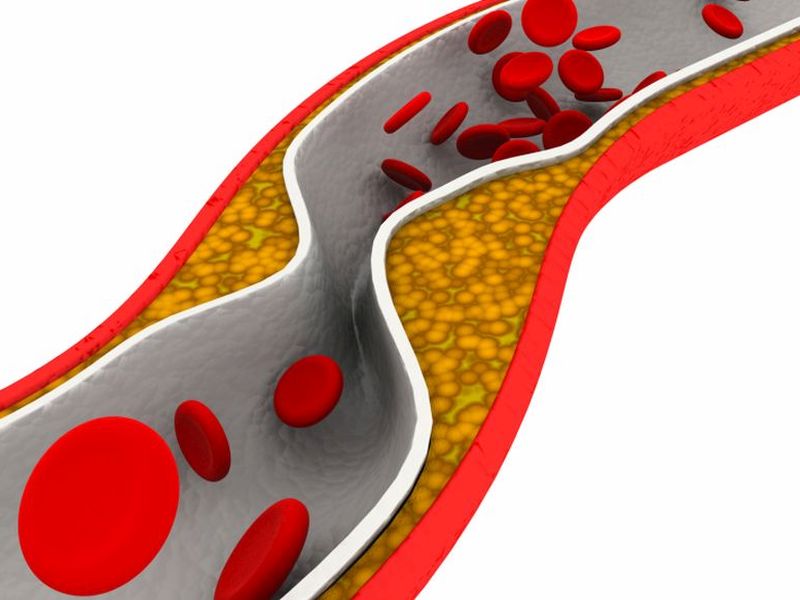
TUESDAY, June 14, 2016 (HealthDay News) -- The blood sugar-lowering drug Victoza (liraglutide) cuts the risk of heart attack and stroke in type 2 diabetes patients, a new study finds.
Heart disease is the leading cause of death among people with type 2 diabetes, the researchers noted.
The study was funded by the drugs maker, Novo Nordisk, and the U.S. National Institutes of Health. It included more than 9,300 adults from 32 countries who have type 2 diabetes and a high risk of heart disease.
About half took Victoza, while the other half took an inactive placebo. Both groups also took other medications for health problems, such as high blood pressure and high cholesterol, the study authors said.
Tracking patients for three years, the researchers found that compared with patients in the placebo group, people who took Victoza had a 13 percent lower risk of heart attack or stroke. They also had a 22 percent lower risk of death from heart disease; a 15 percent lower risk of death from any cause; and a 22 percent lower risk of new evidence of advanced kidney disease.
Some patients did discontinue the drug due to "gastrointestinal events," according to the report.
The study was presented June 13 at the American Diabetes Associations annual meeting, in New Orleans. It was also published simultaneously in the New England Journal of Medicine.
"Ive been excited about liraglutide for a long time because I think its unique," said study senior author Dr. John Buse. He directs the Diabetes Care Center at the University of North Carolina, Chapel Hill.
"This is the first diabetes drug that has shown across-the-board benefits for cardiovascular diseases, and this suggests it plays a role in treating atherosclerosis [hardening of the arteries], which is what leads to heart attacks and strokes," Buse said in a university news release.
One diabetes expert called the study "encouraging."
Victoza "is a relatively new medication, given by daily injection," said Dr. Allison Reiss, who runs the inflammation laboratory at Winthrop-University Hospital in Mineola, N.Y.
Still, the long-term effectiveness of the drug is unknown, Reiss added. "It will be important to follow these patients over the next few years to see whether [Victoza] benefits continue and to investigate how it is working," she said.
The researchers explained that Victoza is from a newer class of diabetes drugs known as GLP-1 agonists. These medications work in the pancreas to cut the production of an anti-insulin hormone called glucagon. The drugs boost insulin production and help control blood sugar levels.
As a secondary mechanism, Victoza also works on the brain to help lower appetite and boost feelings of "fullness" when eating, Buses team explained.
Reiss noted that because of this activity, Victoza can help spur weight loss -- and that might be the prime factor driving the improvements in heart health.
Dr. Gerald Bernstein coordinates the Friedman Diabetes Program at Lenox Hill Hospital in New York City. He said that Victoza -- and other drugs in its class -- are being increasingly used, so "decreased cardiovascular risk is an important finding."
Type 2 diabetes affects more than 29 million Americans, according to the U.S. Centers for Disease Control and Prevention.
SOURCES: Allison Reiss, M.D., head of inflammation laboratory, Winthrop-University Hospital, Mineola, N.Y.; Gerald Bernstein, M.D., program coordinator, Friedman Diabetes Program, Lenox Hill Hospital, New York City; University of North Carolina, news release, June 13, 2016
HealthDay
Copyright (c) 2016 HealthDay. All rights reserved.
News stories are provided by HealthDay and do not reflect the views of MedlinePlus, the National Library of Medicine, the National Institutes of Health, the U.S. Department of Health and Human Services, or federal policy.
- More Health News on:
- Diabetes Medicines
- Heart Attack
- Stroke
download now
Saturday, December 10, 2016
Antibiotics Formula Feeding Might Change Babys Microbiome MedlinePlus
Antibiotics Formula Feeding Might Change Babys Microbiome MedlinePlus
Antibiotics, Formula Feeding Might Change Babys Microbiome: MedlinePlus
Antibiotics, Formula Feeding Might Change Babys Microbiome
C-section birth may also diminish diversity of these colonies of helpful microbes, study shows Wednesday, June 15, 2016
WEDNESDAY, June 15, 2016 (HealthDay News) -- When babies are born, the birth process covers their bodies with countless microbes that play crucial roles in their future health. But a new study suggests that these "microbiomes" are altered by cesarean births, antibiotics and formula feeding.
"The microbiome is really important in how a baby develops normally. We are doing things that are disrupting them," said Dr. Martin Blaser, director of the Human Microbiome Program at New York University Langone Medical Center.
What do these microbiomes do?
Microbiomes evolved with humans and are mostly helpful, explained Annie Gatewood Hoen. Shes an assistant professor of epidemiology and biomedical data science at the Geisel School of Medicine at Dartmouth, in New Hampshire.
"These organisms help digest our food, train our immune system and out-compete disease-causing microbes," she said.
But, theres still a lot of mystery about how they work.
"Theyre very complex and everyones is slightly different," Hoen said, and its not entirely clear what healthy ones should look like.
"There is a lot left to discover about how subtle variations in the makeup of these communities might be more or less optimal for health and, importantly, how we can manipulate them so theyre most beneficial to us," she added.
The new study examined the microbiomes of newborns after they left the sterile environment of the womb.
Blaser and his colleagues used stool samples to track the intestinal germ makeup of 43 U.S. infants during the first two years of life. The researchers also analyzed the microbiomes of their mothers.
The investigators found that antibiotic use, cesarean birth and formula feeding all threw off the makeup of the microbiomes from levels considered normal. In essence, their make-up became less diverse, Blaser said.
"We didnt measure health effects, so we cant say whether thats good or bad," he added.
However, previous research has linked C-sections and antibiotics to higher rates of digestive illness, obesity and asthma, Blaser noted. And doctors recommend breast-feeding over the use of formula for similar reasons.
A second study followed 39 Finnish infants to the age of 3 years, and found that antibiotics were linked to less-diverse microbiomes in the children.
The study, led by Moran Yassour, a postdoctoral fellow at the Broad Institute and Harvard Medical School in Boston, also found a temporary rise in the number of antibiotic resistance genes when antibiotics were given.
What should parents of newborns do? Blaser said antibiotics are important medicines but they shouldnt be overused.
"Weve known for a long time that were overtreating kids with antibiotics, and were beginning to find evidence that it will hurt them," he said.
Dr. Alexander Khoruts, a professor of medicine at the University of Minnesota, agreed. "Antibiotics early in life may well have serious consequences that may not manifest for years," he said.
"Both the microbiome and the baby go through developmental stages, and there is a lot of cross-talk between the microbes and the host," he added. "A disrupted conversation due to antibiotics can lead to hardwiring of the immune system, for example."
This, he said, can lead to allergies and other conditions linked to overactive immune systems.
As for cesarean births, study co-author Blaser said they should only be performed if medically necessary. He also recommends breast milk over formula.
Whats next for research? In the future, it may be possible to counteract things that disrupt the microbiome, Blaser said. For now, "were continuing to follow these children."
The studies were published June 15 in the journal Science Translational Medicine.
SOURCES: Martin Blaser, M.D., professor, translational medicine and microbiology, and director, Human Microbiome Program, New York University Langone Medical Center, New York City; Alexander Khoruts, M.D., professor, medicine, division of gastroenterology, University of Minnesota, Minneapolis; Annie Gatewood Hoen, Ph.D., assistant professor, epidemiology and biomedical data science, Geisel School of Medicine, Dartmouth, Lebanon, N.H.; June 15, 2016, Science Translational Medicine
HealthDay
Copyright (c) 2016 HealthDay. All rights reserved.
News stories are provided by HealthDay and do not reflect the views of MedlinePlus, the National Library of Medicine, the National Institutes of Health, the U.S. Department of Health and Human Services, or federal policy.
- More Health News on:
- Antibiotics
- Childbirth
- Infant and Newborn Care
download now
Thursday, December 1, 2016
Novel Brain Cancer Treatment Taps Into Sound Waves MedlinePlus
Novel Brain Cancer Treatment Taps Into Sound Waves MedlinePlus
Novel Brain Cancer Treatment Taps Into Sound Waves: MedlinePlus
Novel Brain Cancer Treatment Taps Into Sound Waves
Experimental device seems to help more chemotherapy reach tumors, researchers report Wednesday, June 15, 2016
WEDNESDAY, June 15, 2016 (HealthDay News) -- Brain cancer patients might benefit from an implantable ultrasound device that appears to enhance chemotherapy treatment, a small study says.
Researchers from the Pitie-Salpetriere Hospital in Paris and other French institutions tested the experimental device on 15 patients with recurrent glioblastoma, a particularly deadly brain cancer. When the so-called SonoCloud was activated, sound waves opened the blood-brain barrier, letting in more chemotherapy, they said.
"The walls of the blood vessels in the brain are very difficult to cross for certain molecules," said Frederic Sottilini, CEO of Paris-based CarThera, the company developing SonoCloud.
While this blood-brain barrier protects the brain from toxins, "it means a challenge for treating brain diseases and disorders, as 99 percent of potential therapeutic drugs are blocked by it," he said.
"Scientists have been researching ways to bypass this barrier for over 50 years," Sottilini said.
A U.S. cancer specialist said this experimental technique could prove to be an important achievement.
"This is significant," said Dr. Ekokobe Fonkem, a neuro-oncologist at Baylor Scott and Whites Vasicek Cancer Treatment Center, in Temple, Texas. "One of the reasons glioblastoma, which is one of the most aggressive forms of brain cancer, is very difficult to treat is because the blood-brain barrier prevents medications from getting across."
Its possible that this ultrasound approach could pave the way for more effective treatments, Fonkem said. "There are some medications that have potential but cant cross the blood-brain barrier," he noted.
But Fonkem said larger trials are needed before this device can be used in cancer treatment. "We have to see if there is any clinical benefit," he said. "They have to show it works without increasing side effects."
One concern, he added, is that by breaching the blood-brain barrier, you may open the door to brain infections.
"They have to make sure there is no room for bacteria to get into the brain and cause meningitis, which can be fatal," Fonkem said.
Sottilini explained how the ultrasound device works: Its implanted in the skull, over the area of the tumor. When activated, sound waves cause tiny beads -- called microbubbles -- to vibrate, temporarily opening the blood-brain barrier. This permits more of the chemo drug to reach the tumor, he said.
According to Sottilini, the device appeared safe to use in areas of the brain that control speech, movement and other senses.
"This could mean major therapeutic possibilities, not only for brain cancers, but also for neurodegenerative diseases such as Alzheimers," he said.
The device is activated before each round of chemotherapy, Sottilini said. Two minutes of low-intensity ultrasound is enough to open the blood-brain barrier for about six hours and increase the concentration of medication five to seven times, he said.
The researchers used the chemo drug carboplatin for the study. Carboplatin is commonly used to treat recurrent glioblastoma, they said, and has been shown to control tumors, but does not easily pass the blood-brain barrier.
The experimental treatments were conducted monthly for six months at most or until evidence of tumor progression was detected.
This phase 1 trial was not designed to test whether the higher doses of chemotherapy that passed into the brain were effective. However, tumor growth did not progress in nine patients, the researchers said.
Sottilini said he hopes for a larger trial next year.
The report was published June 15 in the journal Science Translational Medicine.
SOURCES: Frederic Sottilini, CEO, CarThera, Paris, France; Ekokobe Fonkem, D.O., neuro-oncologist, Baylor Scott and White Vasicek Cancer Treatment Center, Temple, Texas; June 15, 2016,Science Translational Medicine
HealthDay
Copyright (c) 2016 HealthDay. All rights reserved.
News stories are provided by HealthDay and do not reflect the views of MedlinePlus, the National Library of Medicine, the National Institutes of Health, the U.S. Department of Health and Human Services, or federal policy.
- More Health News on:
- Brain Tumors
- Ultrasound
download now
Tuesday, November 29, 2016
Hidden Brain Injury a Challenge for Military Doctors MedlinePlus
Hidden Brain Injury a Challenge for Military Doctors MedlinePlus
Hidden Brain Injury a Challenge for Military Doctors: MedlinePlus
Hidden Brain Injury a Challenge for Military Doctors
Potentially fatal damage from blasts doesnt always show on scans, study says Friday, June 10, 2016
FRIDAY, June 10, 2016 (HealthDay News) -- Soldiers who survive explosive blasts may suffer from a distinctive pattern of "hidden" brain injury, a small study finds.
"Blast-related brain injuries are the signature injury of modern military conflicts," said study senior author Dr. Daniel Perl, of the Uniformed Services University of the Health Sciences, in Bethesda, Md.
"Although routine imaging for blast-related traumatic brain injury often shows no brain abnormalities, soldiers frequently report debilitating neuropsychiatric symptoms such as headaches, sleep disturbance, memory problems, erratic behavior and depression, suggesting structural damage to the brain," he explained.
"Because the underlying pathophysiology is unknown, we have difficulty diagnosing and treating these invisible wounds, " Perl said.
For the study, researchers analyzed the brain tissue of eight U.S. military personnel who survived blasts but died four to nine days later from their injuries or other causes.
The pattern of damage in their brains was different from that seen in civilians with head injuries caused by contact sports, traffic crashes or prescription painkiller abuse, the researchers said.
However, the study authors noted that they lacked information about the soldiers medical history. They said further research is needed to learn more about how high-explosive blasts from weapons such as grenades, mortars and improvised explosive devices affect the brain.
The study results were published June 9 in The Lancet Neurology.
More than 300,000 U.S. military personnel in the Iraq and Afghanistan conflicts have suffered traumatic brain injury from explosive blasts. The long-term effects of hidden brain injuries in these patients is a growing concern, according to the researchers.
"As exposure to blast shockwaves increases among soldiers and civilians in war zones, we need to further study these patterns, and compare them with soldiers medical history in order to build a better understanding of the neuropathology of traumatic brain injury," Perl said in a journal news release.
Further work is needed to confirm the results, but the study draws attention to the need for increased research into blast-associated brain injury, agreed Dr. William Stewart, of the University of Glasgow, Scotland, and Dr. Douglas Smith, of the University of Pennsylvania in Philadelphia. Both brain injury experts authored an editorial accompanying the study.
SOURCE: The Lancet Neurology, news release, June 9, 2016
HealthDay
Copyright (c) 2016 HealthDay. All rights reserved.
News stories are provided by HealthDay and do not reflect the views of MedlinePlus, the National Library of Medicine, the National Institutes of Health, the U.S. Department of Health and Human Services, or federal policy.
- More Health News on:
- Traumatic Brain Injury
- Veterans and Military Health
download now
Monday, November 28, 2016
Skin Cancer Check Do Some Sole Searching MedlinePlus
Skin Cancer Check Do Some Sole Searching MedlinePlus
Skin Cancer Check? Do Some Sole-Searching: MedlinePlus
Skin Cancer Check? Do Some Sole-Searching
Deadly melanoma is rare on feet, but often advanced when diagnosed Wednesday, June 15, 2016
WEDNESDAY, June 15, 2016 (HealthDay News) -- Sunlight is considered the leading cause of melanoma, but daily wear-and-tear appears to promote the deadly skin cancer in at least one place where the sun rarely shines, researchers say.
Stress and damage caused by walking or running could be a risk factor for melanoma on the soles of the feet, the Japanese researchers contended.
Worse, because people dont think to check for melanoma on their soles, when the cancer is found its often very advanced, the investigators reported.
Cases of melanoma on the soles of the feet seem to occur in places that receive the most stress when people walk or run, said senior researcher Dr. Ryuhei Okuyama. He is a professor of dermatology at the Shinshu University School of Medicine in Matsumoto, Japan.
These places (the "plantar surface") include the ball of the foot, the side of the foots arch, and especially the heel, the researchers said.
"Our clinical observation suggests that mechanical stress -- such as plantar pressure and shear stress -- is involved in the development of melanoma on the sole," Okuyama said.
Melanoma occurs in the skins melanocytes, which are cells that produce brown pigment called melanin, according to the American Cancer Society (ACS).
Its a relatively rare, but very serious form of cancer. Melanoma accounts for only 1 percent of all skin cancers, but it causes the most deaths from skin cancer. More than 76,000 new melanomas are expected to be diagnosed in the United States in 2016, and approximately 10,000 people will die from the cancer, the ACS says.
Melanoma on the soles of the foot is even rarer than that, Okuyama said -- about 2.2 cases for every million black people and about 2.4 cases for every million white people in the United States.
Melanoma is generally caused when ultraviolet rays -- from the sun, or from artificial sources, such as tanning beds -- damage the DNA of melanocytes, according to the cancer society.
But a review of medical data between January 1990 and December 2014 revealed 123 patients at Shinshu University Hospital who had been diagnosed with melanoma on the soles of their feet. The average age of people diagnosed with melanoma on their feet was 73.5 years, the study reported.
Charting the location of the melanomas, researchers found they most often occur on locations where pressure is regularly placed on the sole. Only a couple of cases occurred in the arch, which receives little direct pressure while walking, the study authors said.
When diagnosed, many already had advanced melanoma, the researchers noted.
Only 40 people -- about one-third of all the patients -- had cancer that was 1 millimeter or less thick. That thickness is usually classified as stage I melanoma. The rest had melanomas that were thicker and further developed, the study revealed.
Dr. Len Lichtenfeld, deputy chief medical officer for the American Cancer Society, pointed out that "once you get above that 1 millimeter level, you can be in serious trouble."
Dr. Lynn Schuchter is chief of hematology and oncology at Penn Medicines Abramson Cancer Center in Philadelphia. She said that the finding is intriguing, but doesnt completely line up with what we already know about melanoma in other locations on the body.
"Chronic damage or pressure or chronic inflammation has not been linked to other areas of the body and melanoma, but it is linked to squamous cell skin cancer," said Schuchter, who also serves as an expert for the American Society of Clinical Oncology.
Lichtenfeld concurred. "The authors have provided us with useful and thought-provoking information, but whether stress is the cause of melanoma in these locations is unknown," he said. "Its unlikely this is the complete story about why these melanomas happened in the first place. There may well be other factors involved."
Both U.S. cancer specialists agreed with the Japanese researchers that the soles should be part of any skin check.
Okuyama said, "In our view, a foot check should be considered as a part of skin cancer exam, especially in elder persons. Lesions on the sole are hardly noticed in daily life."
People who want to check their own soles should look for the same signs of melanoma as other parts of the body, Lichtenfeld and Schuchter said.
Look for moles or spots on the skin that are asymmetric, have irregular or ragged borders, have different shades of coloration, are larger than 6 millimeters across, and are changing in size, shape or color, the ACS says.
On the soles, people also should be on the lookout for melanomas that contain no coloration, Schuchter added.
"A non-healing wound or ulcer should also raise clinical suspicion that one is dealing with a cancer," she said. "People think, oh its a corn, oh its a blister. The concern is if some of these things really persist or are associated with bleeding, that raises the issue that something else might be going on."
The report was published June 16 in the New England Journal of Medicine.
SOURCES: Ryuhei Okuyama, M.D., Ph.D., professor of dermatology, Shinshu University School of Medicine, Matsumoto, Japan; Len Lichtenfeld, M.D., deputy chief medical officer, American Cancer Society; Lynn Schuchter, M.D., chief of hematology and oncology, Penn Medicines Abramson Cancer Center, Philadelphia; June 16, 2016, New England Journal of Medicine
HealthDay
Copyright (c) 2016 HealthDay. All rights reserved.
News stories are provided by HealthDay and do not reflect the views of MedlinePlus, the National Library of Medicine, the National Institutes of Health, the U.S. Department of Health and Human Services, or federal policy.
- More Health News on:
- Foot Health
- Melanoma
- Skin Cancer
download now
Subscribe to:
Posts (Atom)